朝のカワセミ飛び込み
Morning Kingfisher Dive
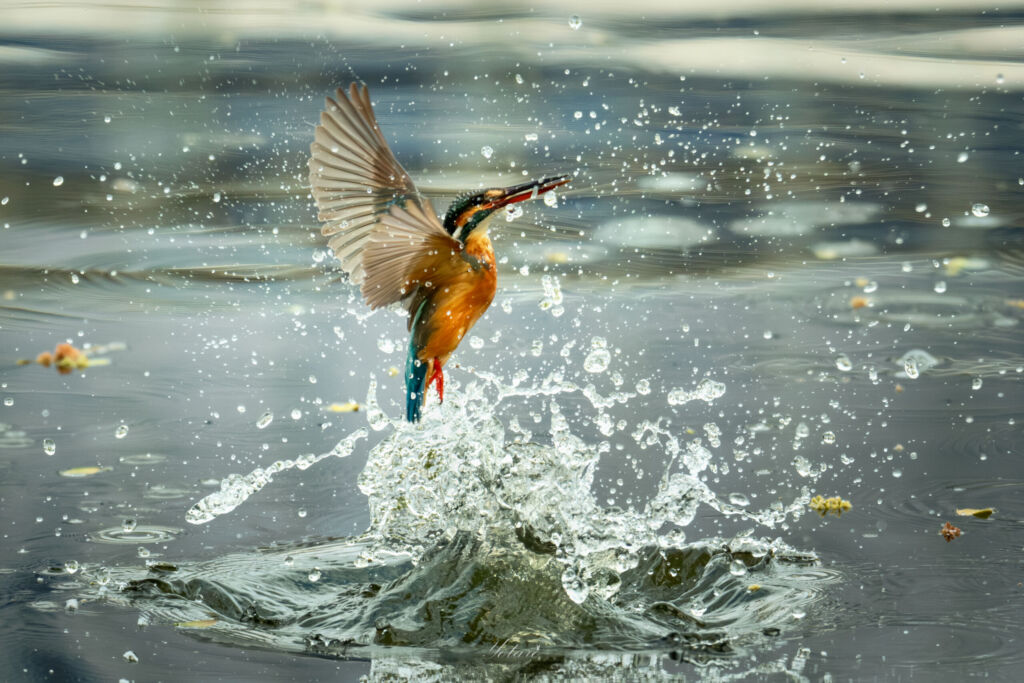
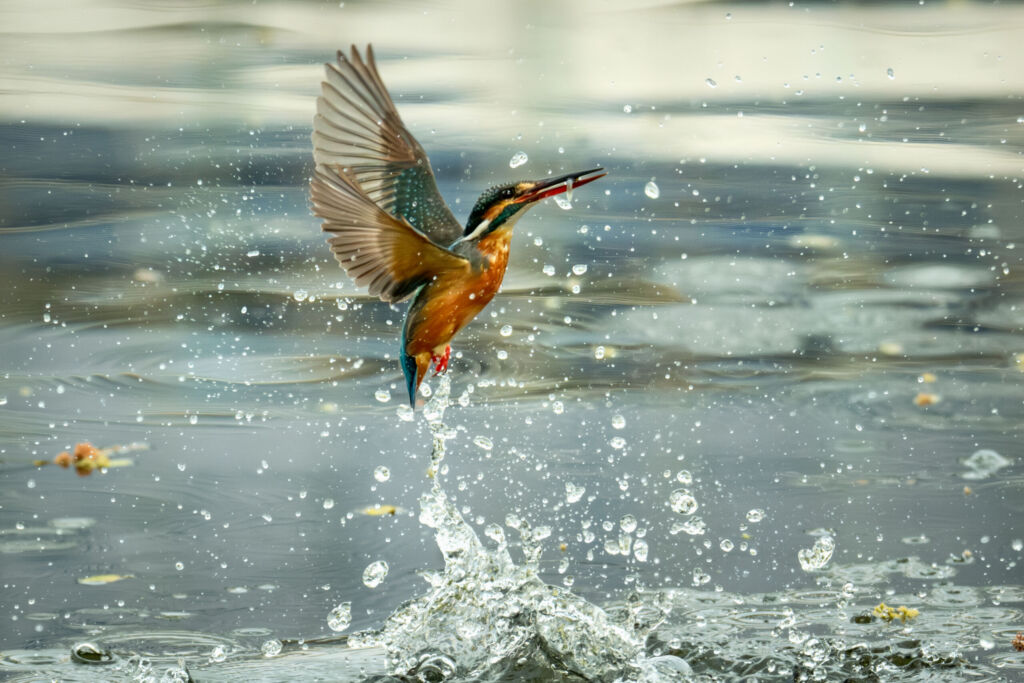
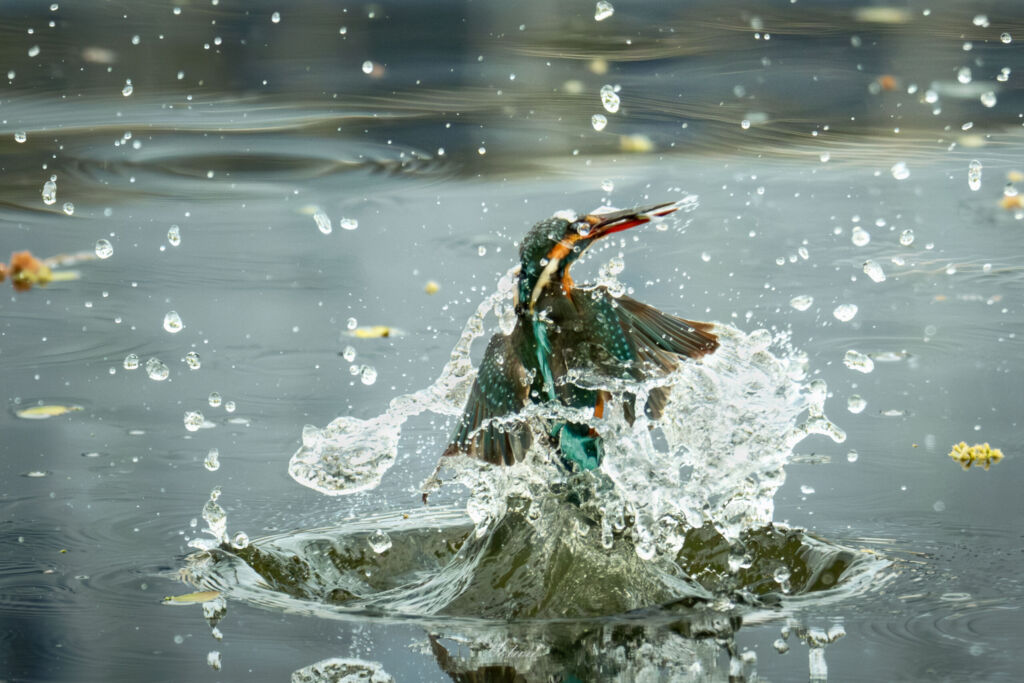
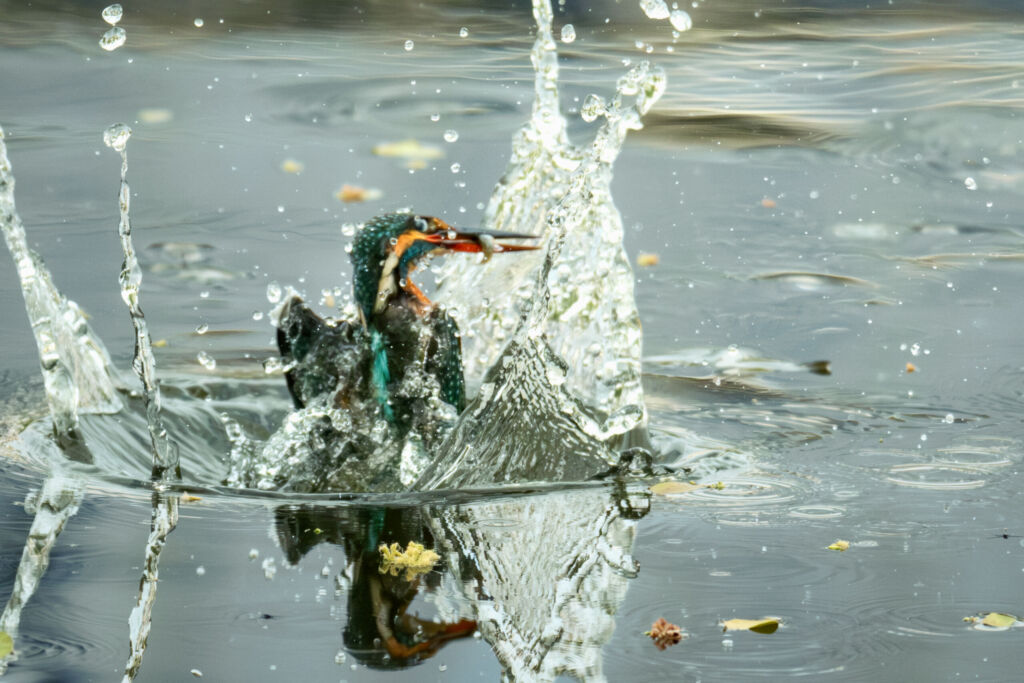
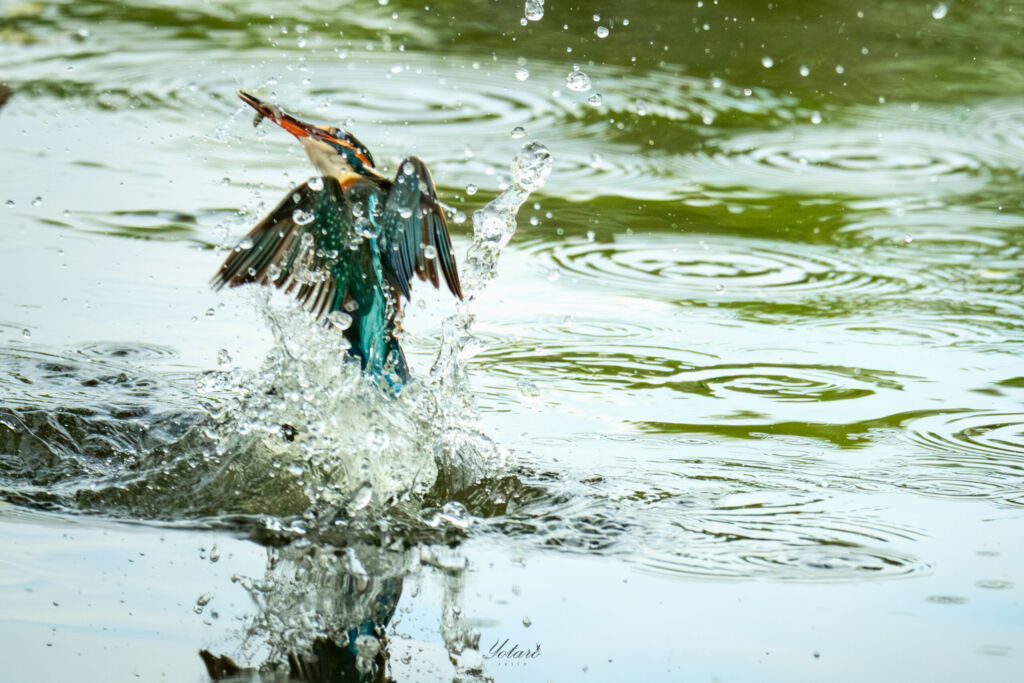
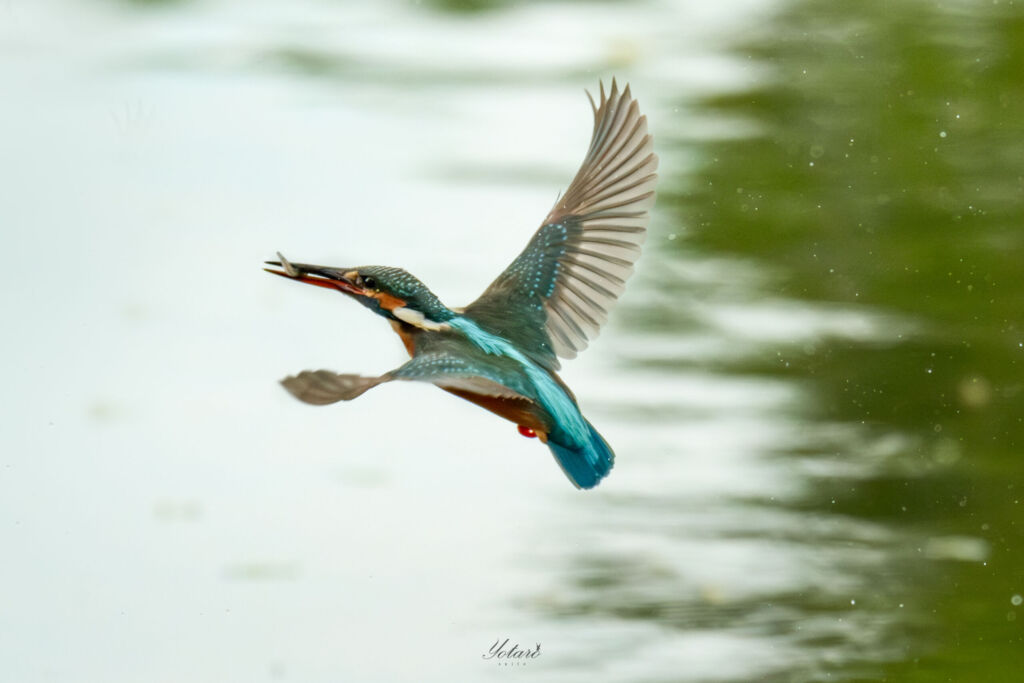

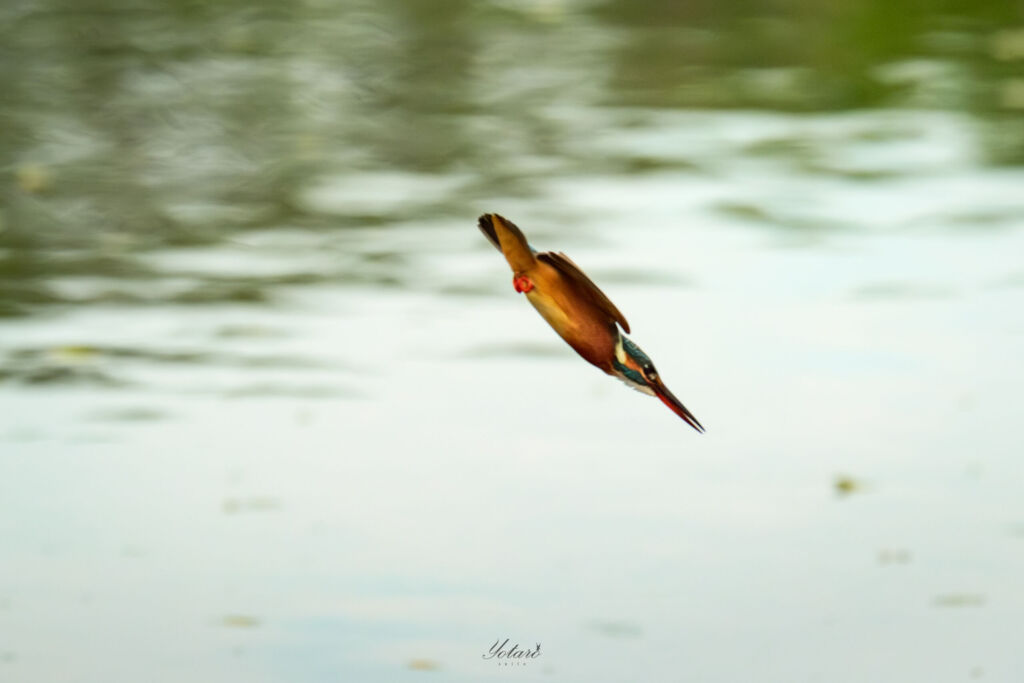
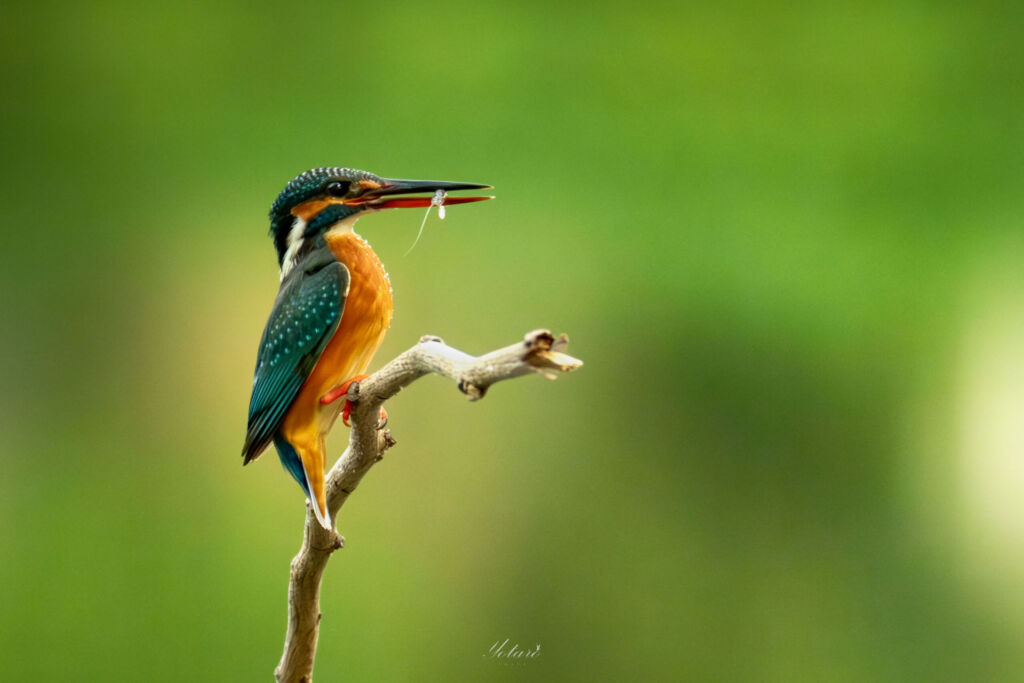
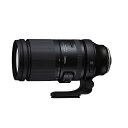
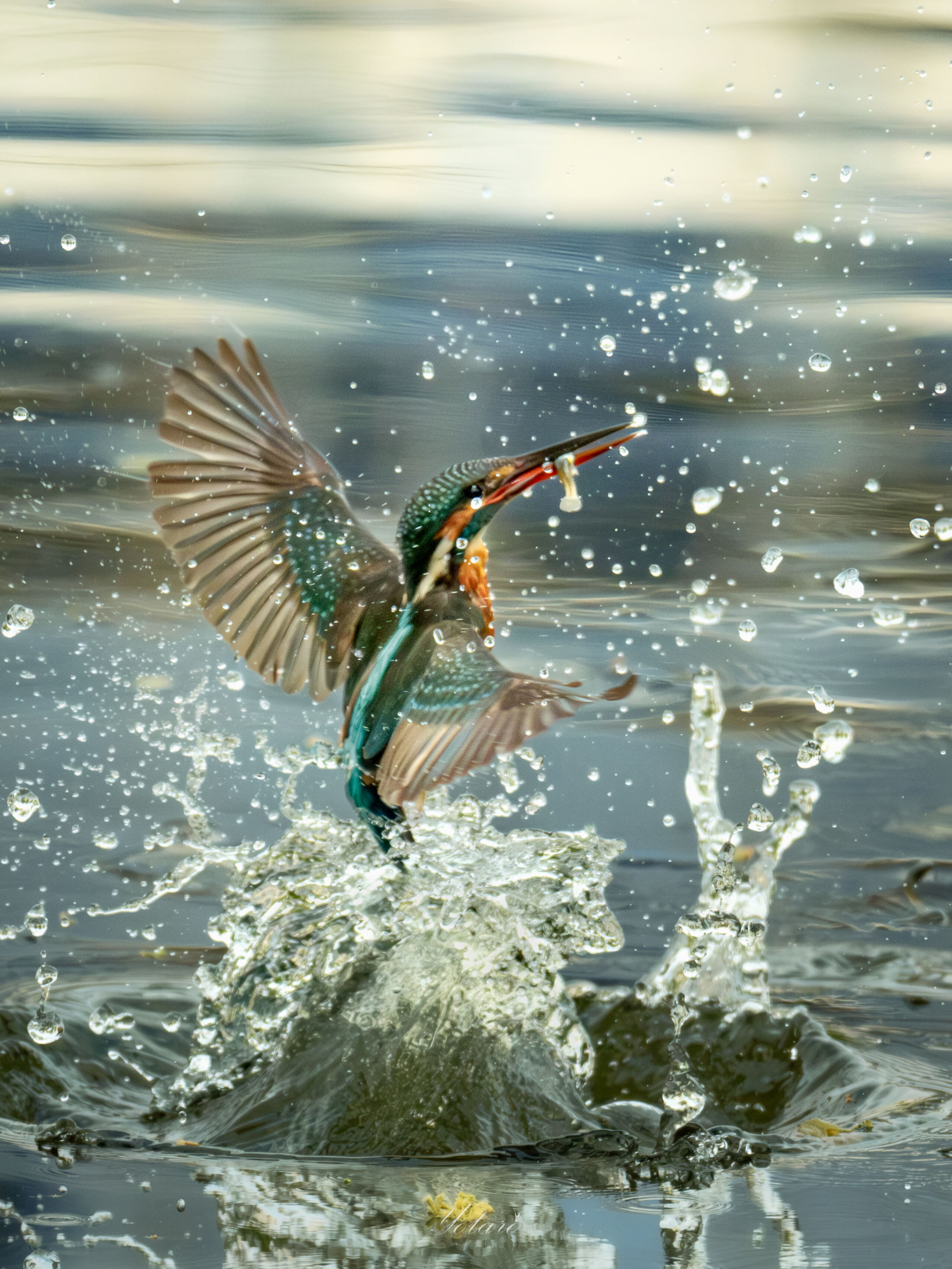
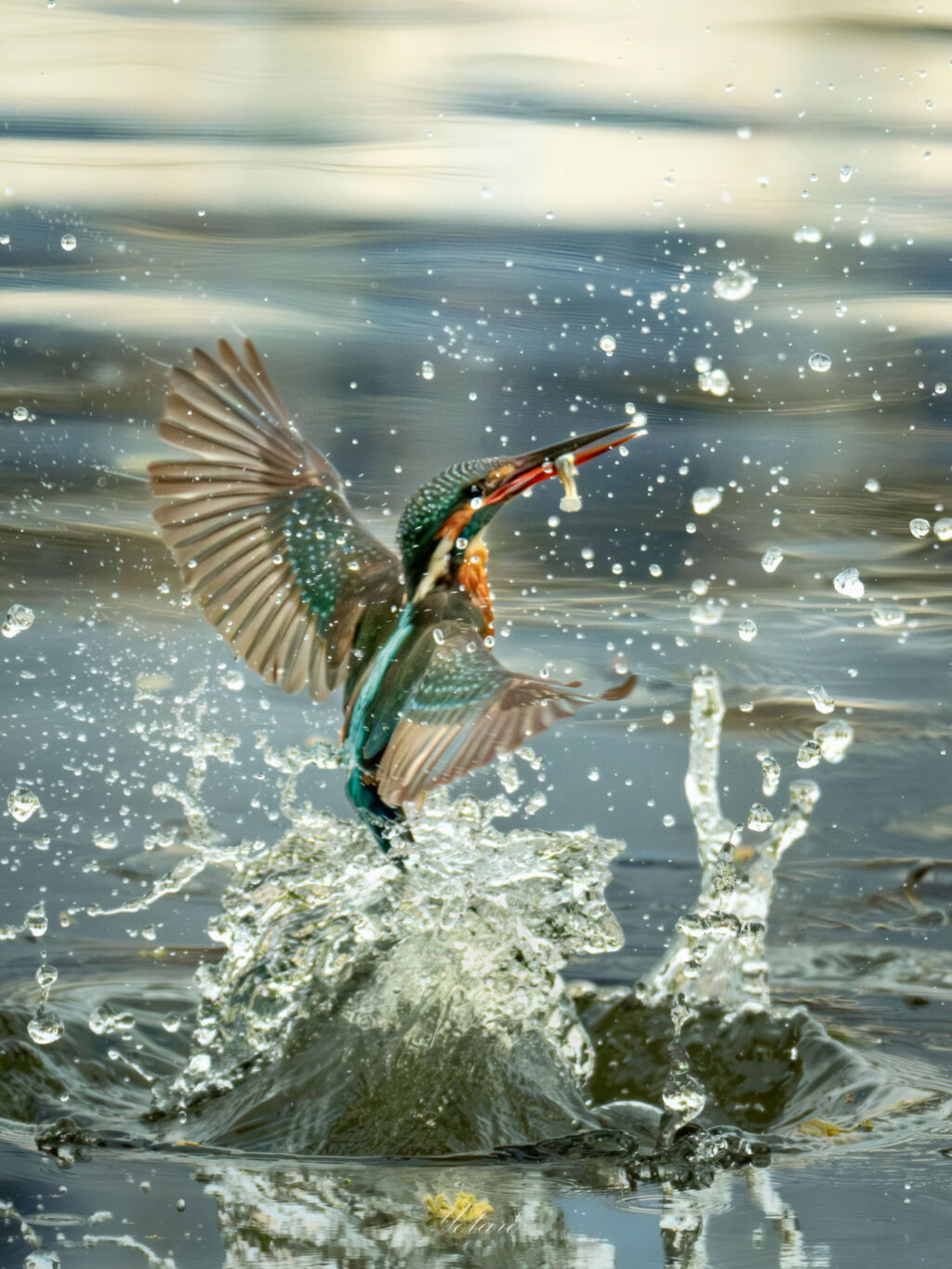
Fujifilm X-T5にタムロン150-500mm f5-6.7の超望遠ズームレンズで撮影した、朝方のカワセミの飛び込みシーン。カワセミの飛び込む位置を大よそ推測して、至近距離からマニュアルフォーカスでズドンっとレンズ合わせて撮影しました。通いに通った場所での勘と慣れに頼った撮影で、完全にガッチリとピントを合わせるのは難しいですが、結果的に今まで撮影した中では一番合ってくれたんじゃないかとは思います。
レンズはF5に落とせるところまでズームの焦点距離を縮めて、そこからピント面を増やすために気持ち絞ってF5.6。ISOは前回同じ場所でISO3200で撮影して、現像時にノイズ処理をしてもザラつき感がだいぶ厳しかったので、今回はISO1600で撮影しました。それでもザラつきは残ってはしまいますが。それでも、今使ってるカメラ性能、レンズ性能の限界に近いところまでは頑張って追い込んだ撮影はできたのではないかと思います。
もし次回また、これより良い写真が撮れた時は、勘と慣れと「運」が良かった時だと思います。
This photograph captures a kingfisher diving in the early morning, taken with a Fujifilm X-T5 and the Tamron 150–500mm F5–6.7 super-telephoto zoom lens.
I roughly predicted the point where the kingfisher would enter the water and, from a very close distance, pre-focused manually and committed to the shot. This was not a setup that relied on autofocus, but rather on experience, repetition, and familiarity with the location after visiting it countless times. Achieving perfectly precise focus in this kind of situation is extremely difficult, but the result may be the sharpest dive shot I have captured so far.
I shortened the focal length to the point where the lens could be opened to F5, then stopped down slightly to F5.6 to gain a bit more depth at the focus plane. Previously, I had shot at the same location with ISO 3200, but even after noise reduction during post-processing, the grain was quite harsh. This time, I lowered the sensitivity to ISO 1600. Some noise is still present, but it is more controlled.
Within the limits of my current camera and lens, I believe this shoot pushed close to the maximum performance they can deliver. If I manage to capture a better image than this in the future, it will likely be due not to improved technique, but simply to better luck beyond experience and intuition.
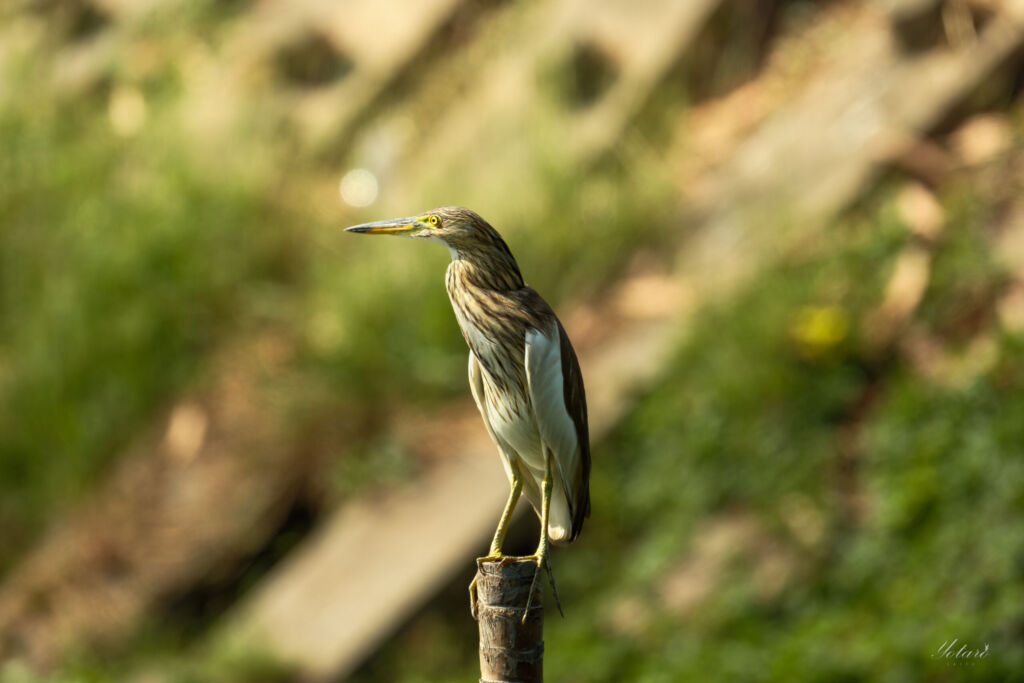
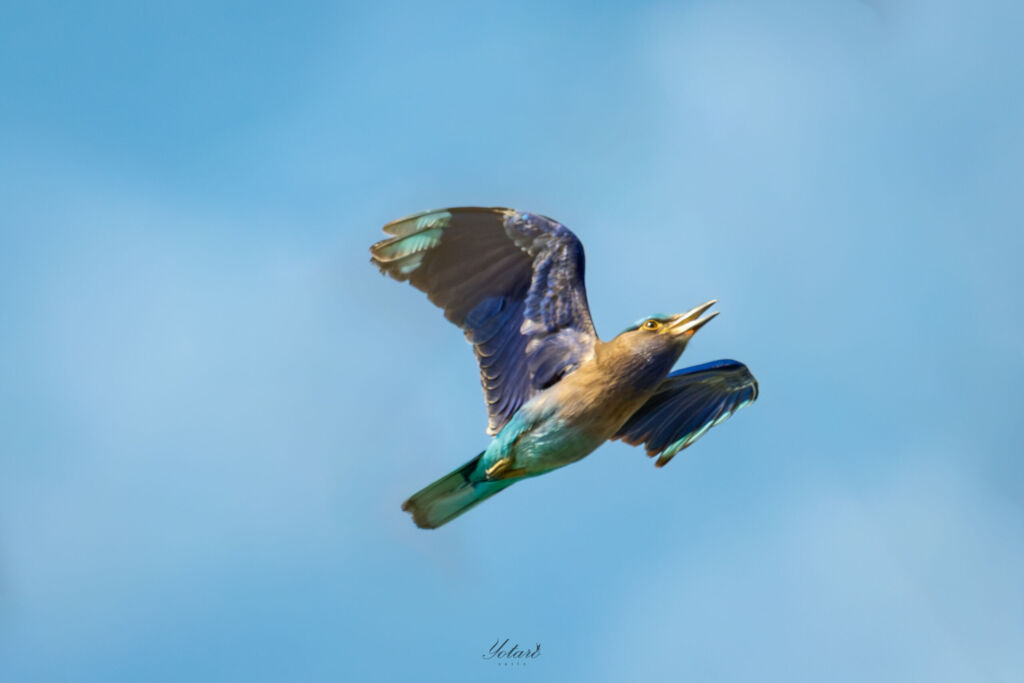
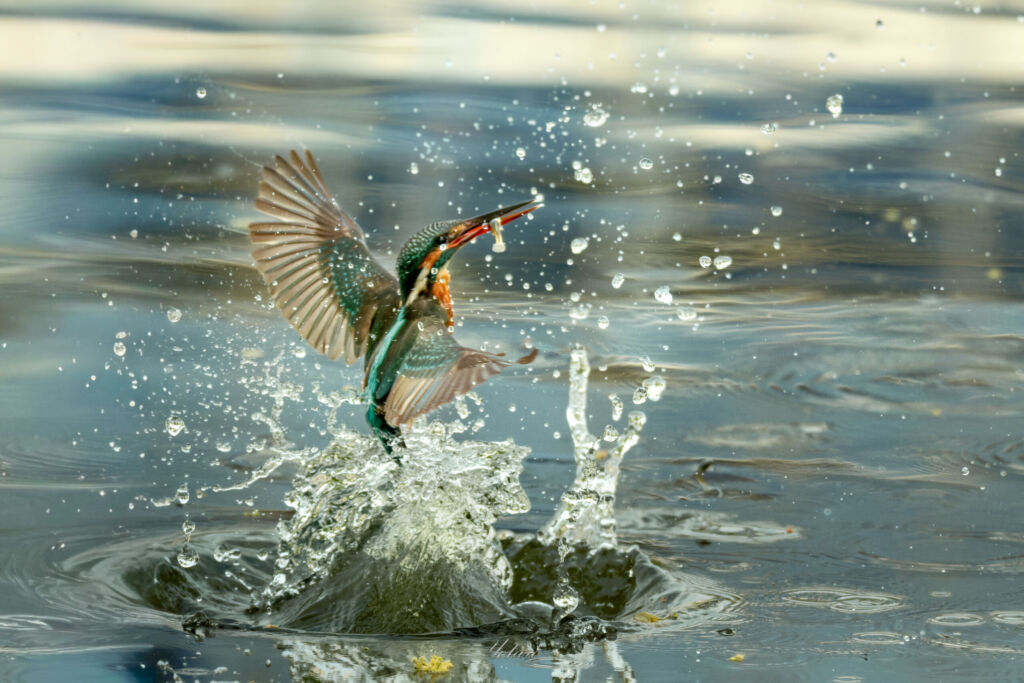
Fujifilm X-T5 / Tamron 150-500mm f5-6.7
photo by yotarosuite(2026/1/24撮影)
このカメラとレンズで撮影しました